


Prototype Development: Turning Concept Into Reality
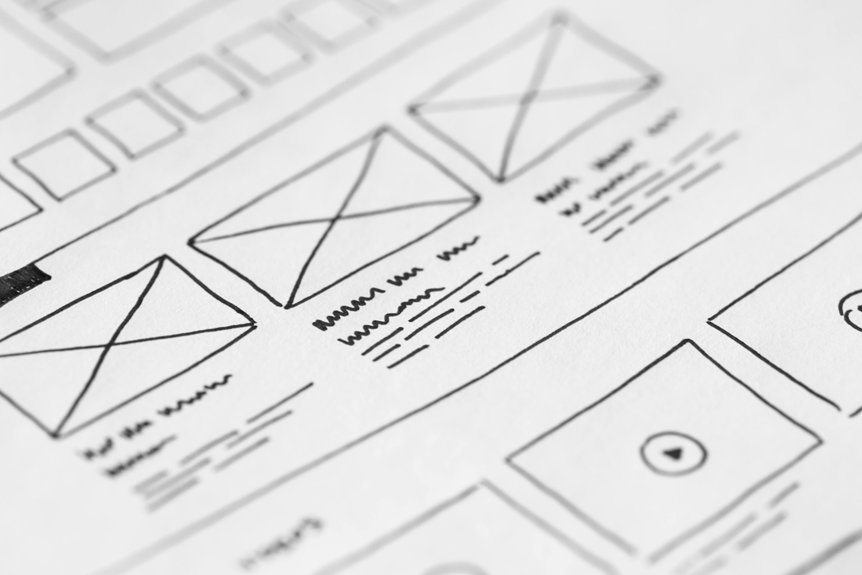
Turning an idea into a tangible product is a critical step in innovation, but it’s rarely straightforward. As you move from concept to prototype, you’ll face decisions about design, materials, and testing that can make or break your project. Understanding the process can help you navigate challenges more effectively. Ready to explore how you can transform your concept into a practical, real-world solution?
Defining Your Concept and Setting Clear Objectives
Before you begin building your prototype, it’s essential to clearly define your concept and establish specific objectives.
Conduct a thorough market analysis to understand your target audience, competitors, and industry trends. This insight helps refine your idea and guarantees it addresses real needs.
Additionally, consider patent considerations early to protect your innovation and avoid potential legal issues. Determine whether your concept is novel enough to warrant patent protection and explore the application process.
Setting clear objectives guides your development process, keeps you focused, and helps measure progress.
Without a well-defined concept and goals, you risk wasting resources or creating a product that doesn’t meet market demands.
Taking these initial steps ensures a solid foundation for successful prototype development.
Researching and Gathering Necessary Resources
Once you’ve defined your concept and set clear objectives, the next step is to research and gather the resources you’ll need to bring your prototype to life. Start by sourcing suppliers who can provide the materials, components, or services required for your project. Reach out to multiple vendors to compare quality, prices, and lead times. Accurate budget planning is essential here; determine how much you can allocate for each resource to avoid overspending. Keep track of costs and availability to ensure your project stays on track financially. Prioritize reliable suppliers to minimize delays and quality issues. Gathering the right resources early helps you identify potential challenges, so you can adjust your plan accordingly and move forward confidently with your prototype development. Utilizing a patent search can also help you ensure your idea is unique before investing heavily.
Sketching and Designing Initial Concepts
To effectively translate your ideas into tangible forms, start by sketching and designing initial concepts. Focus on how color theory can influence your designs, ensuring colors evoke the right emotions and improve usability. Use contrasting colors for clarity and harmony to make your sketches visually appealing and easy to interpret.
Pay close attention to ergonomic considerations, designing for comfort and ease of use. Think about how users will interact with your prototype, ensuring controls are accessible and the form fits natural movements.
Keep your sketches simple but detailed enough to capture key features. Iteratively refine your concepts, balancing aesthetic appeal with functionality. This stage sets the foundation for a successful prototype, so invest time in exploring multiple ideas before moving forward.
Choosing the Right Materials and Technologies
After sketching and designing your initial concepts, selecting the right materials and technologies becomes the next essential step. You need to focus on material selection to guarantee durability, weight, cost, and aesthetic qualities align with your project goals.
Think about how materials will perform in real-world conditions and choose options that meet those needs. Technological integration is equally important; consider how new tools, manufacturing techniques, or digital components can enhance your prototype’s functionality.
Research materials that facilitate easy fabrication or customization, and stay updated on emerging technologies that could streamline production. Making informed decisions now helps prevent costly revisions later and sets a solid foundation for a successful prototype.
Ultimately, the right combination of materials and technologies brings your concept closer to reality.
Creating a Preliminary Prototype
Creating a preliminary prototype is a critical step that transforms your design ideas into a tangible form. To do this effectively, start with careful material selection, choosing options that balance durability, weight, and ease of fabrication.
Your goal is to create a functional version that represents your concept accurately. Conduct a cost analysis to guarantee your prototype stays within budget, considering material costs, manufacturing expenses, and labor. This helps you identify potential financial constraints early on.
Keep the prototype simple yet representative enough to test core features. Remember, this is a learning tool, so focus on functionality over perfection.
A well-planned preliminary prototype provides valuable insights and guides refinements before moving to more complex iterations.
Testing and Gathering User Feedback
Once your preliminary prototype is ready, the next step is to test it thoroughly and gather user feedback. Focus on evaluating the user experience to identify how users interact with your design and where improvements are needed.
Conduct usability testing by observing real users as they navigate your prototype, noting any difficulties or confusion. Ask specific questions about their overall experience, ease of use, and satisfaction.
Pay close attention to their behaviors, comments, and suggestions. This process helps you uncover usability issues early, ensuring the prototype meets user needs effectively.
Refining the Design Based on Results
Using the feedback you gathered from usability testing, you can identify specific areas where your prototype needs improvement. This is where iterative improvements come into play, allowing you to refine your design based on real user insights.
Instead of making broad changes, focus on targeted adjustments that address the issues users encountered. Analyze patterns in their feedback to prioritize modifications that will have the most significant impact.
Adjust your prototype incrementally, testing each change to see if it improves usability. This continuous refinement ensures your design evolves effectively, aligning more closely with user needs.
Embracing an iterative process helps you develop a more polished, user-friendly prototype that’s better suited for the next phases of development.
Developing a Functional Prototype for Validation
To validate your design, developing a functional prototype is a critical step that brings your concepts to life. It allows you to test how well your ideas work in real-world conditions.
During this phase, you should foster innovative collaboration, working closely with team members and stakeholders to gather diverse insights. This teamwork helps identify potential issues early and enhances the prototype’s effectiveness.
As you build and refine, engage in iterative testing—repeatedly evaluating and improving the prototype based on feedback. This process ensures your design aligns with user needs and project goals.
Addressing Common Challenges in Prototype Development
While developing a functional prototype helps validate your design, it often presents unforeseen challenges that can hinder progress. One common issue is managing an iterative review process, which can slow development if feedback cycles aren’t efficient. To keep things moving, establish clear review milestones and communicate expectations upfront.
Stakeholder collaboration is also essential; misunderstandings or conflicting priorities can cause delays. Engage stakeholders early and often, encouraging open dialogue to align visions and address concerns promptly.
Be prepared to revisit and refine your prototype repeatedly, recognizing that iteration is a natural part of development. Staying flexible and maintaining clear communication helps you navigate these challenges, ensuring your prototype evolves effectively towards your final goal.
Preparing for Production and Scaling Up
As you prepare to move from prototype to production, focusing on scalability and manufacturing efficiency becomes essential. Conduct a thorough market analysis to understand demand, identify potential bottlenecks, and set realistic production goals. This helps guarantee your product can meet market needs without overextending resources.
Protect your innovations by securing intellectual property rights early; this prevents competitors from copying your design and strengthens your bargaining position.
Streamlining manufacturing processes now will save time and costs during scaling. Additionally, evaluate suppliers, production methods, and quality controls to ensure consistent output.
Conclusion
By following these steps, you turn your idea into a real, workable product. Focus on clear goals, gather resources, and test your prototypes thoroughly. Be ready to refine and adapt based on feedback, addressing challenges along the way. This iterative process guarantees your design is effective, scalable, and ready for production. With dedication and careful development, you’ll bring your concept to life and set the stage for successful manufacturing. To learn more on how to bring your idea or invention to market, visit us online at Inventors IPO.