


The Role of Market Timing in Product Launch Success
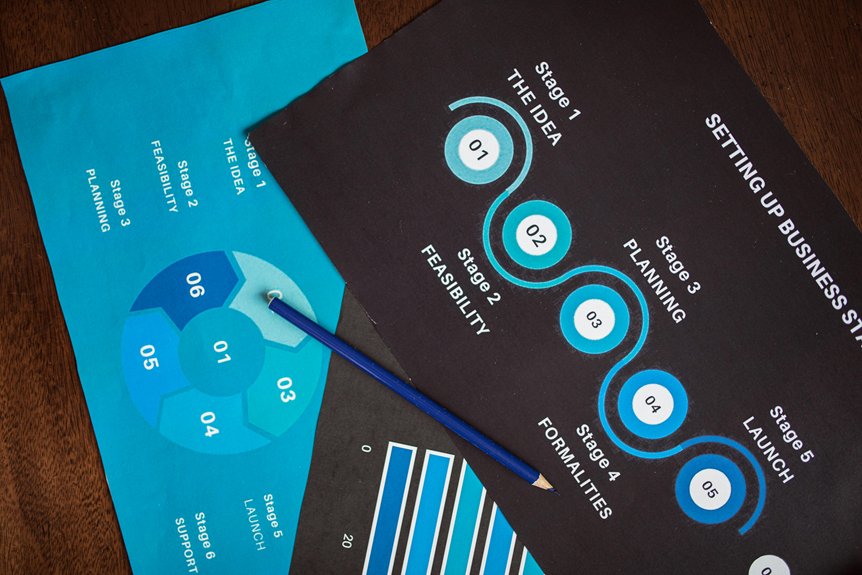
When you time your product launch correctly, you can markedly boost your chances of success. Launching at the right moment means aligning with consumer enthusiasm, seasonal shifts, and economic conditions that favor your offering. But knowing when to go to market isn’t always straightforward. Understanding the nuances of market timing can be the difference between a breakthrough and missed opportunity—so it’s worth exploring how to master this critical aspect.
Understanding Market Cycles and Consumer Behavior
Understanding market cycles and consumer behavior is essential for timing your product launch effectively. You need to pay close attention to consumer sentiment, which reflects how optimistic or cautious your target audience feels about the economy and new products.
When sentiment is positive, consumers are more willing to try innovative offerings, increasing your launch’s chances of success. Additionally, consider technological readiness — the extent to which your market is in the invention development process and prepared to adopt new technology.
If consumers are enthusiastic and the infrastructure is in place, you’re more likely to see rapid adoption. Recognizing these factors helps you identify the right moment when consumer confidence is high and technological barriers are low, setting the stage for a smoother, more impactful product launch.
Identifying Optimal Timing Windows for Launches
Pinpointing the best time to launch your product requires careful analysis of market signals and timing indicators. Focus on understanding seasonal trends, economic conditions, and consumer demand cycles to identify windows where your product can gain maximum attention.
Consider how your pricing strategies align with market timing; launching when consumers are most receptive can allow for premium pricing or promotional discounts that boost early adoption.
Additionally, evaluate your distribution channels to ensure they’re prepared to handle increased demand at the right moment. Timing your launch when distribution networks are fully operational and optimized helps prevent delays and stockouts.
Analyzing Competitor Timing Strategies
Analyzing your competitors’ timing strategies can reveal valuable insights into their market approach and help you identify opportunities to differentiate your product launch.
By examining when competitors release products, you can understand their brand positioning and how they respond to market cycles. For example, if a rival launches during a specific season or event, you might find a gap to introduce your product at a more strategic time.
Additionally, observe their pricing strategies in relation to their launch timing—do they price aggressively early on or hold back for a premium? This analysis helps you anticipate market reactions, adjust your own timing, and craft a launch plan that stands out.
Knowing competitors’ timing tactics allows you to optimize your entry and better position your product for success.
Leveraging Seasonal and Cultural Trends
Have you considered how seasonal and cultural trends can give your product launch a strategic edge? Timing your launch around seasonal fluctuations allows you to capitalize on periods when consumer interest naturally peaks, such as holidays or back-to-school seasons.
Additionally, aligning with cultural festivals creates a relevant context that resonates with your target audience, boosting engagement and sales. For example, launching a festive gift item just before major holidays or a summer-themed product during peak vacation season can maximize visibility.
Recognizing these trends helps you avoid off-peak periods when demand is lower. By leveraging seasonal and cultural cues, you make your product more appealing and relevant, increasing the chances of a successful launch that taps into existing consumer enthusiasm and momentum.
The Impact of Economic Conditions on Launch Timing
Economic conditions play a crucial role in determining the success of your product launch, as consumer spending patterns and confidence fluctuate with the broader financial climate. High inflation rates can erode purchasing power, making consumers hesitant to spend on new products. Conversely, stable or low inflation encourages more confident spending.
Interest fluctuations also impact your launch timing; rising interest rates may signal economic tightening, reducing disposable income and delaying customer purchases. Launching during periods of economic stability and moderate inflation can optimize consumer receptiveness.
Conversely, launching during economic downturns or when inflation spikes might hurt initial sales. Understanding these dynamics helps you choose the right moment, aligning your launch with favorable economic conditions to maximize market impact and long-term success.
Case Studies: Successful and Failed Product Launches
Examining real-world examples reveals how timing can make or break a product launch. When a company launches during market saturation, it often struggles to stand out, leading to failure despite a good product.
For instance, attempting to enter a crowded smartphone market without a unique value proposition can backfire. Conversely, successful launches occur when companies spot technological disruption early, like streaming services entering before traditional media giants adapted.
Failures often result from ignoring these signals, releasing products too late or too early. These case studies highlight the importance of timing: launch too soon amidst unresolved market issues, and the product may flounder; launch too late, and competitors may have already claimed the market.
Precise timing can turn a good idea into a market leader or a costly mistake.
Practical Steps to Develop a Timing Strategy
Developing a timing strategy begins with thorough market research to identify key trends, consumer behaviors, and potential disruptions. This insight helps you determine the most advantageous launch window and refine your pricing strategies to match market demand.
Assess your distribution channels to guarantee they can support your product at the right time, whether through online platforms, retail partners, or direct sales. Consider seasonal fluctuations and competitor activities, adjusting your timing accordingly.
Align your pricing strategies with market conditions—launching when consumers are most receptive and willing to pay. Regularly monitor industry shifts and consumer feedback to refine your approach.
Conclusion
By mastering market timing, you can maximize your product’s launch impact. Pay attention to consumer sentiment, seasonal trends, and economic conditions to choose the right moment. Analyze competitors and leverage cultural events to gain an edge. When you time your launch well, you boost adoption, build brand recognition, and set the stage for long-term success. Remember, strategic timing can make all the difference between a flop and a thriving product. To learn more on how to bring your idea or invention to market, visit us online at Inventors IPO.