


The Importance of Packaging Design for Product Success
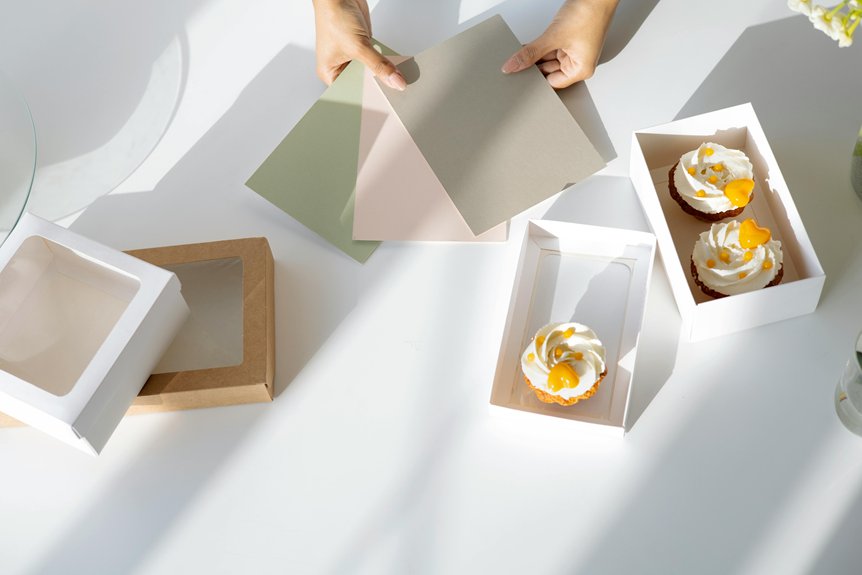
Your packaging design can make or break your product’s success. It’s the first thing consumers see and often the deciding factor in their purchase. A well-crafted package attracts attention, communicates your brand, and builds trust. But it also needs to protect the product and stand out on crowded shelves. Understanding how to leverage these elements could be the key to elevating your product’s market presence—something worth exploring further.
The Role of Visual Appeal in Packaging
Visual appeal plays a crucial role in attracting customers and making your product stand out on the shelves. When designing packaging, consider how color psychology influences emotions and perceptions—bold colors can evoke excitement, while softer shades suggest calmness.
Tactile textures also enhance visual appeal by inviting touch, making your packaging more memorable. Smooth finishes might communicate sophistication, whereas embossed surfaces add dimension and interest.
Combining strategic color choices with textured elements creates a multi-sensory experience that draws attention and encourages interaction. Remember, your packaging’s visual appeal isn’t just about looks—it’s about engaging potential buyers instantly. Incorporating prototypes into your design process can help refine these visual and tactile elements effectively.
Communicating Brand Identity Through Design
Effective packaging design clearly communicates your brand’s identity, helping customers instantly recognize and connect with your product. Consistent branding across all packaging elements reinforces your message and builds trust.
Use colors, fonts, and imagery that reflect your brand’s personality, creating a cohesive look that’s easy to identify. Emotional storytelling through design can evoke feelings and memories, forging a deeper connection with your audience.
When your packaging tells a story aligned with your brand values, it resonates more strongly, encouraging loyalty. Keep your messaging clear and authentic, ensuring every element supports your overall brand identity.
Enhancing Shelf Impact and Visibility
How can your packaging stand out on crowded shelves? The key is leveraging color psychology and sensory engagement. Bright, contrasting colors grab attention quickly, making your product more noticeable amid competitors. Use bold hues strategically to evoke specific emotions—like red for excitement or green for freshness—that resonate instantly with shoppers.
Incorporate tactile elements or unique textures to engage the senses and invite consumers to touch and explore your packaging. Clear, simple visuals combined with vibrant colors create a visual hierarchy that guides the eye directly to your product.
Effective use of color psychology and sensory cues enhances shelf impact, ensuring your product not only catches the eye but also leaves a memorable impression, ultimately increasing the chances of being chosen over others.
Influencing Consumer Purchase Decisions
Once your packaging captures attention on crowded shelves, the next step is ensuring it convinces shoppers to make a purchase. You can do this by highlighting customization options that allow consumers to feel a personal connection with your product. Offering choices in colors, labels, or packaging styles makes your product stand out and appeals to individual preferences.
Additionally, ergonomic features play a key role in influencing decisions—if your packaging is easy to open, handle, and pour, customers will appreciate the convenience, increasing their likelihood to buy. Clear, intuitive design communicates quality and thoughtfulness, building trust.
When your packaging effectively combines customization options with ergonomic functionality, it not only attracts attention but also persuades shoppers that your product is the best choice for their needs.
Protecting the Product and Ensuring Safety
Ensuring your packaging protects the product from damage, contamination, and spoilage is essential to maintaining quality and customer satisfaction. Choosing materials with high durability guarantees your packaging withstands handling, transportation, and storage stresses. Strong, resilient materials prevent breakage and keep your product intact.
Additionally, incorporating tamper-evident features helps reassure customers that the product remains safe and unaltered. Tamper-proof seals, breakable bands, or sealed caps act as clear indicators if the packaging has been compromised, boosting consumer confidence.
Environmental Considerations and Sustainability
In today’s market, prioritizing environmental considerations and sustainability in packaging isn’t just responsible—it can also set your product apart. Using recyclable materials demonstrates your commitment to reducing waste and conserving resources.
Consumers increasingly seek eco-friendly options, and packaging made from recyclable materials helps meet this demand. Biodegradable packaging takes sustainability further by breaking down naturally, minimizing landfill impact.
Incorporating these eco-conscious choices shows you value environmental health and can enhance your brand’s reputation. Additionally, sustainable packaging can reduce costs over time through efficient material use and waste reduction.
Differentiating Your Product From Competitors
To stand out in a crowded marketplace, you need packaging that captures attention and communicates your brand’s unique identity. Using innovative materials can make your packaging more durable, eco-friendly, and visually striking, helping it stand apart from competitors.
Incorporate personalized packaging to create a memorable unboxing experience that resonates with your target audience. Customized designs, unique shapes, and tailored messaging demonstrate that you understand your customers’ preferences and differentiate your product.
This strategic approach shows that you’re invested in quality and innovation, making your product more appealing. When your packaging reflects your brand’s personality and stands out visually, it draws eyes on shelves and fosters a strong connection with consumers, ultimately boosting your product’s success.
Building Customer Loyalty and Trust
Effective packaging doesn’t just catch the eye; it also plays a key role in fostering trust and loyalty among your customers. When your packaging reflects quality and consistency, customers feel confident in choosing your brand repeatedly.
Listening to customer feedback helps you refine your packaging, making it more user-friendly and aligned with their needs. Incorporating elements like clear labels and eco-friendly materials shows you value their preferences, enhancing trust.
Loyalty programs tied to your packaging, such as special designs or rewards for returning customers, deepen connections and encourage repeat business. When customers associate positive experiences with your packaging, they’re more likely to become advocates for your brand.
Building this trust through thoughtful packaging ultimately strengthens customer loyalty and boosts your long-term success.
Cost-Effective Design Strategies
Implementing cost-effective design strategies is essential for maximizing your packaging budget without sacrificing quality. One effective approach is to apply cost-saving techniques that reduce material waste, such as optimizing dielines and minimizing excess packaging.
Embracing minimalistic approaches can also streamline your design, focusing on essential elements that communicate your brand clearly without unnecessary embellishments. Simplified designs often require fewer resources, lowering production costs while maintaining visual impact.
Additionally, choosing versatile materials that are easy to source and recycle can further cut expenses. Collaborate with suppliers early to identify affordable options that meet your quality standards.
Future Trends in Packaging Innovation
As technology advances, packaging innovation is poised to transform the way products are designed, manufactured, and experienced. Smart materials will become more prevalent, allowing packaging to adapt to environmental conditions or user interactions, enhancing functionality and sustainability.
Imagine packaging that changes color or texture based on temperature or freshness, providing real-time feedback to consumers. Augmented reality (AR) will also revolutionize your packaging, offering interactive experiences that tell your brand story, provide usage instructions, or showcase product benefits directly through smartphones or AR glasses.
These innovations will make packaging more engaging, personalized, and sustainable, helping your products stand out on crowded shelves. Staying ahead of these trends means embracing smart materials and AR technology to create innovative packaging solutions that resonate with modern consumers.
Conclusion
Great packaging design captures attention, communicates your brand identity, and leaves a lasting impression. It enhances shelf appeal, builds consumer trust, and differentiates your product from competitors. By incorporating innovative and sustainable features, you create a positive unboxing experience that fosters customer loyalty. Continuously evolving your packaging to align with current trends and meet customer expectations is essential for ongoing success. When your packaging effectively showcases your product, success naturally follows. Invest in thoughtful design—your brand’s future depends on it. To learn more about how to bring your idea or invention to market, visit us online at Inventors IPO.